Tree care guide
Tree Removal on Grand Island and in Niagara Falls: What Affects the Price and What to Expect
Everyone wants a number for tree removal. The honest answer is that two trees that look alike from the street can be priced very differently, and any contractor who quotes a flat rate without seeing the tree is guessing. Here is what actually drives the price in Niagara Falls, and how to compare quotes fairly.
What drives the price
- Size and species. Height, trunk diameter and how much of the tree has to be handled. Heavy hardwoods such as oak and maple are more work than softer species.
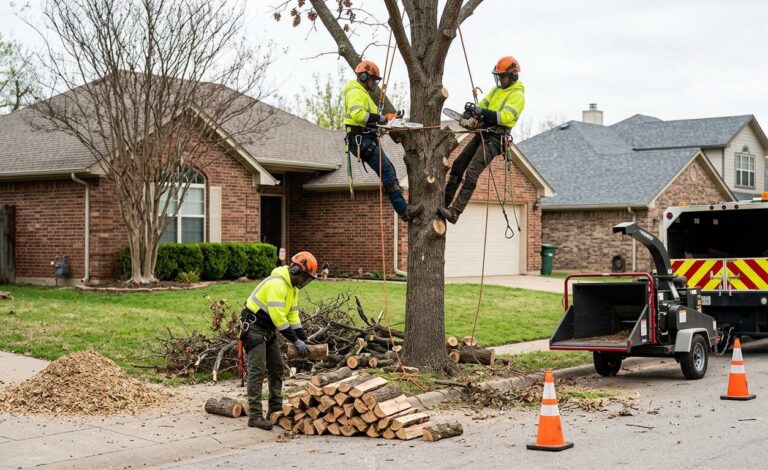
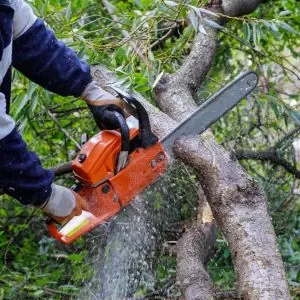
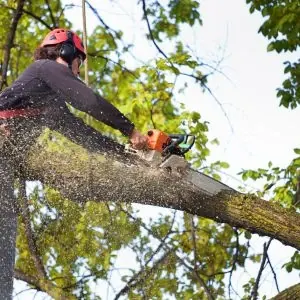
- How close it is to things. A tree in an open yard can sometimes be felled. A tree beside a house, a fence, a pool or a line has to be climbed and lowered in sections, which takes longer and needs more crew and gear. Narrow city lots mean this is the norm in Niagara Falls.
- Access. Can a truck and chipper reach it, or does everything have to be carried out through a gate or across a yard?
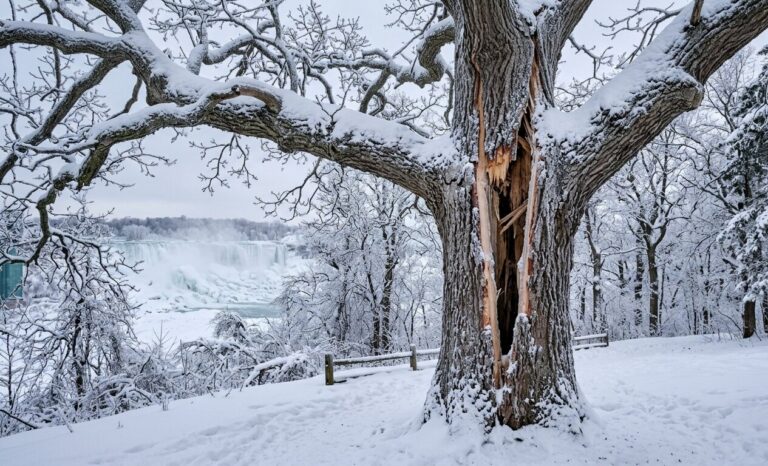
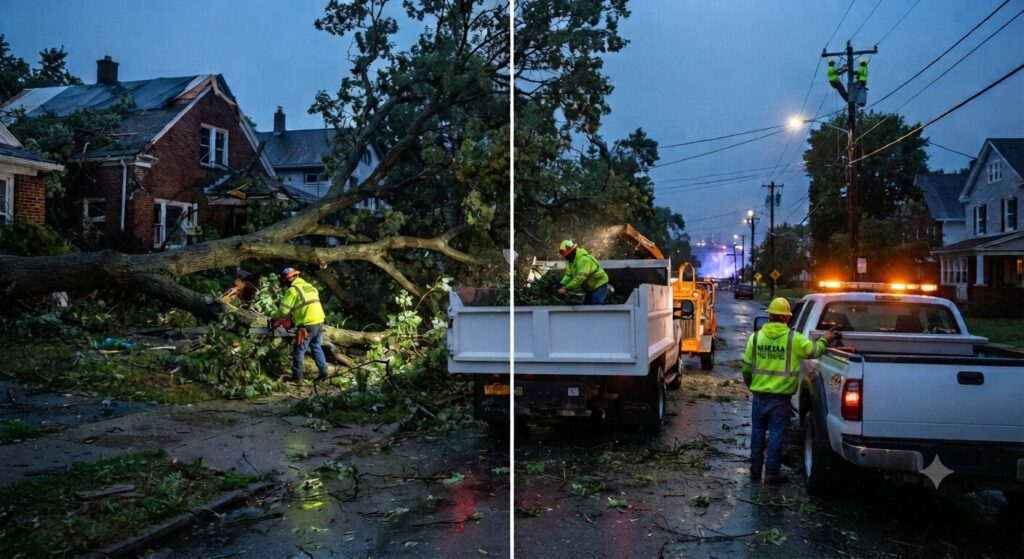
- Condition. A dead, hollow or storm-damaged tree is riskier to work on than a healthy one, and that is reflected in the price. Emergency work after hours is priced for the situation.
- Cleanup and wood. Hauling brush and logs away, or leaving wood for firewood, changes the job.
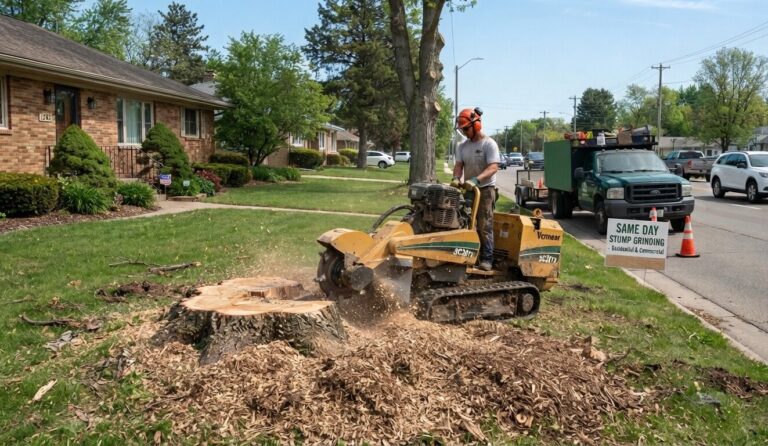
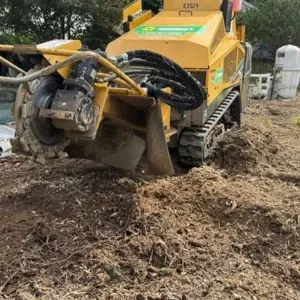
- Stump. Removal usually leaves a stump. Having it ground at the same visit is cheaper than a separate trip.
What a good written quote includes
- The exact tree or trees covered, so there is no argument on the day.
- Whether cleanup and haul-away are included.
- Whether stump grinding is included or quoted separately.
- Proof of insurance on request. Ask for a certificate; a legitimate company will send one.
- A clear total, not an hourly figure that can drift.
Red flags when comparing quotes
- A price given over the phone with no look at the tree, for anything other than a rough range.
- A quote far below the others. Often the cleanup, the insurance or the rigging is missing.
- Door-knocking after a storm, pressure to pay cash upfront, or no insurance paperwork.
- Topping (cutting a tree back to stubs) offered as an alternative to removal. It damages trees and does not make them safe.
Do I need a permit?
For a tree on your own private lot, usually not. Trees in the public right-of-way, and some protected areas, can have rules, and the city manages its street trees. If you are not sure whether a tree is yours or the city’s, ask before cutting. We will tell you when you call.
Does it have to come down?
Sometimes it does not. A tree with a few dead limbs or a minor lean may only need pruning or monitoring. A tree with a split trunk, major decay, heaving roots or a large dead crown is a candidate for removal. We will give you a straight answer, even if the answer is that it can stay.
Next step
Call (716) 599-8733 or use the form on our contact page for a free quote in Niagara Falls. Photos and the address let us give you a ballpark range before we visit. Read how our tree removal service works.